
Early Signs and Symptoms of ALS |
The early onset of ALS is often very subtle - these are the first Symptoms of ALS to watch for:
The parts of the body affected by early symptoms of ALS or Amyotrophic Lateral Sclerosis depend on which muscles in the body are damaged first. For instance, one person may experience trouble grasping or lifting, another person notices that he or she is stumbling or tripping more often, and a third person may notice episodes of slurred speech. Muscle weakness is a hallmark initial sign in ALS, occurring in approximately 60% of patients. About 25% have bulbar (throat) onset, which means that voice and swallowing are first affected. About 50% have arm onset, and 25% leg onset. |
| Recommended: Do a Hair Mineral Analysis Test to Identify Hidden Toxicities |
A hair tissue mineral analysis (HTMA) is a simple, non-invasive screening test that can be used to find out if you have a heavy metal problem. This is especially useful if your program of supplements and lifestyle changes are not showing consistent positive results or is working a little more slowly than you would like. An HTMA test will help you find hidden toxicities, help you identify the source of exposure to heavy metals, and will suggest ways to balance the essential minerals and eliminate the toxic metals. |
 |
| It is important to note that some people can feel better through detoxification. Removing toxic metals will support a person's overall health. An HTMA can give you the extra information needed to take additional control of your health. I recommend a hair tissue mineral analysis test once or twice a year as a way to receive information that you can use to fine-tune your supportive health program. |
| For more information on the hair tissue mineral analysis, scoll down the page or click here. |
Read this book by a Survivor of ALS Symptoms |
Eric is Winning: Beating a Terminal Illness with Nutrition,
Avoiding Toxins, and Common Sense by Eric Edney |
If you or a loved one has ALS/MND, we highly recommend the book “Eric
is Winning” by Eric Edney.
Written by an ALS survivor, it offers a highly detailed account of how he "beat the system" through
nutrition, special supplements and detoxification.
Eric was first diagnosed with ALS in 1993, although his first symptoms occurred in 1990. The progress of his disease was slow at first and then speeded up later. Fortunately, Eric has lived long enough to gather a great deal of information about ALS and develop a program to beat it. He soon realized that he had more information about ALS than was available from any other single source. |

A Customer's Review of Eric's Book |
| "I purchased the book "Eric is Winning" when I learned my father was diagnosed with ALS symptoms recently. I believe the information and life experience Eric details provides hope and direction for the otherwise bleak diagnoses decreed by the medical community. I shared the book with my parents, my brother, my sister and, as a result, will be ordering 2 more copies. It seems this is a bit of a watershed moment in our lives and beyond, as more people learn about my father's condition and are wondering about the influence of toxins on the human condition. My best answer is to direct those interested to your website." Thank you for providing valuable resources. - K. Burton, St. Paul, Minnesota |
For complete details on the book "Eric is Winning", please click here. |
Progressive Symptoms of ALS |
|
Regardless of the part of the body where ALS first makes an appearance, muscle weakness and atrophy eventually spread as the disease progresses. Later symptoms may include:
Although the rate at which the disease progresses varies from person to person, if the disease remains unchecked all ALS patients will eventually succumb to complete paralysis, including needing a ventilator to breathe and a feeding tube for nourishment. Note: Most health care professionals claim that nothing can be done to stop the progression of ALS, reverse symptoms of ALS, and that it is futile to try. They very likely are unaware themselves that a few people have managed to stop the progression of the disease and even reverse some of their symptoms. We recommend using targeted nutritional supplements in conjunction with a safe detoxification protocol as a simple, non-invasive way to help the body regenerate and recover. For complete information on how to do this, click here for our ALS Symptoms Supportive Natural Therapies page. In a large number of cases, the source of signs and symptoms of ALS can be traced to the overload of toxicity the body has had to deal with over many years, particularly heavy metals. We suggest you consider having a hair tissue mineral analysis done to find out which heavy metals the body is high in and which essential minerals the body is deficient in. This test can provide you with much-needed information about mineral ratios that can be toxic and causing imbalances in your body, especially if you're suffering from symptoms of ALS disease. |
Introducing the Comprehensive
Hair Tissue Mineral Analysis by Trace Elements Inc. |
|
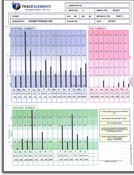
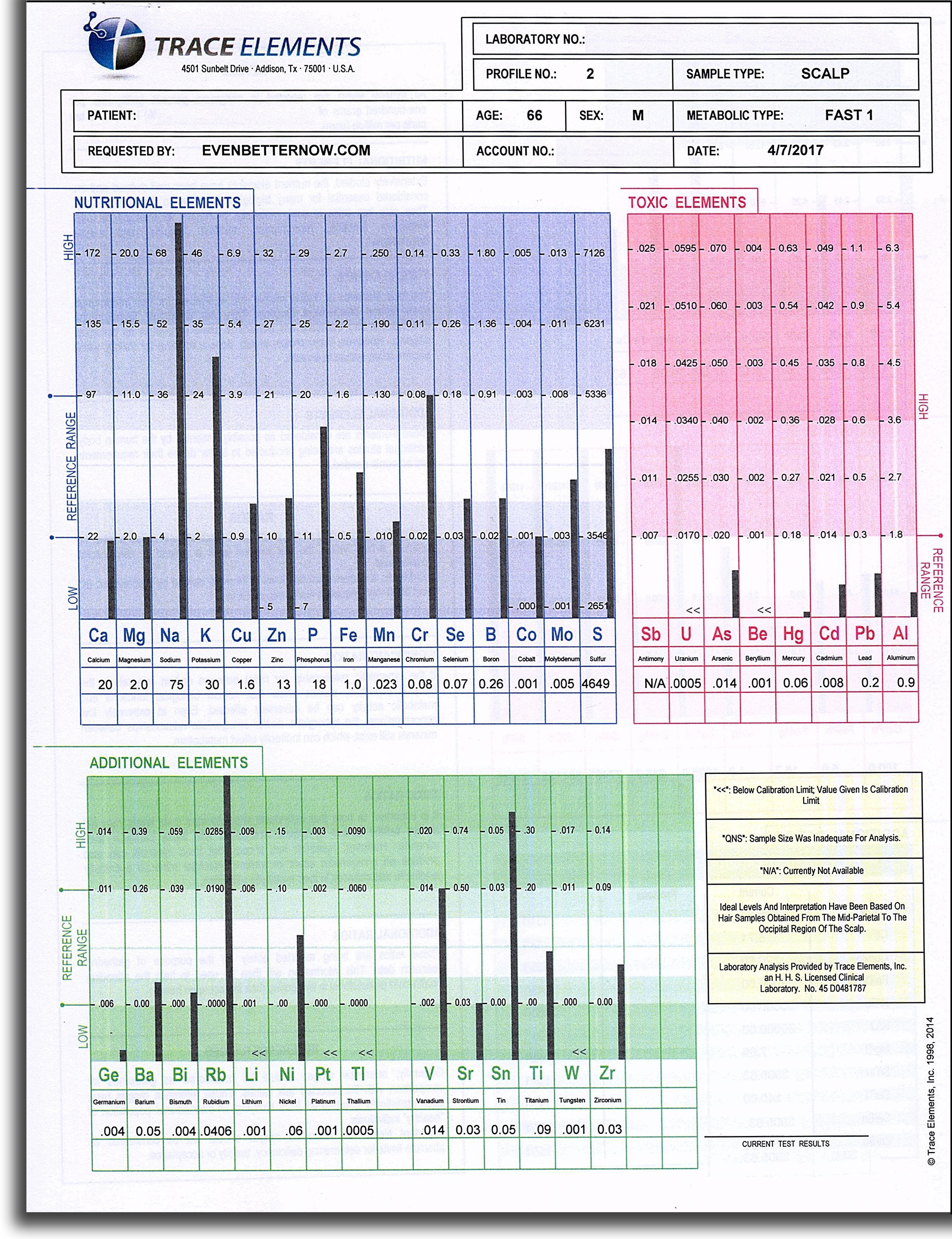
A hair analysis usually needs to be obtained through a health care professional (which can be expensive). However, we offer a service that allows you to get a comprehensive hair tissue mineral analysis from a federally licensed laboratory called Trace Elements, Inc. Each hair analysis contains a detailed 10-15 page report from the laboratory itself, which shows bar graph readings indicating high, low and reference range levels for toxic metals, essential minerals and significant mineral ratios. |
|
| It also includes a metabolic profile, recommendations for diet and supplements based on individual results. |
Unlike some labs that test hair tissue analysis, Trace Elements, Inc. does not wash the hair at the lab. Washing the hair removes some of the loosely bound minerals and can reduce some mineral readings by 50 percent or more. The hair sample is prepared in their licensed clinical laboratory by using a series of chemical and high temperature digestive procedures. Testing is then performed using highly sophisticated detection equipment and methods to achieve the most accurate and precise results.
The Comprehensive Hair Tissue Analysis report details graph results for 8 toxic heavy metals/elements, 15 nutritional minerals/elements, 15 additional elements, 7 significant mineral ratios, and 9 toxic metal ratios. Once you purchase the hair analysis from us, we send you a hair sample kit with instructions on how to take the hair sample.
|
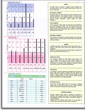
To view a sample of the bar graph measurements for each mineral element and significant ratios, click here or the bar graph images above. Nutritional Elements: Extensively studied, the nutrient elements have been well defined and are considered essential for many biological functions in the human body. They play key roles in such metabolic processes such as muscular activity, endocrine function, reproduction, skeletal integrity, and overall development. Toxic Elements: The toxic elements or "heavy metals" are well-known for their interference upon normal biochemical function. They are commonly found in the environment and therefore are present to some degree, in all biological systems. However, these metals clearly pose a concern for toxicity when accumulation occurs to excess. Additional Elements: These elements are considered as possibly essential by the human body. Additional studies are being conducted to better define their requirements. Significant Ratios: If the synergistic relationship (or ratio) between certain minerals in the body is disturbed, studies show that normal biological functions and metabolic activity can be adversely affected. Even at extremely low concentrations, the synergistic and/or antagonistic relationships between minerals still exist, which can indirectly affect metabolism. Toxic Ratios: It is important to note that individuals with elevated toxic levels may not always exhibit clinical symptoms associated with those particular toxic minerals. However, research has shown that toxic minerals/metals can also produce an antagonistic effeect on various essential minerals, eventually leading to distrubances in their metabolic utilization. To view a sample of the detailed explanation of results patient report, please click here. For a complete overview of the various sections covered in the Comprehensive Hair Analysis Report, please click here. To view complete details of the elements measured and to order the Comprehensive Hair Mineral Analysis, please click here. For a list of FAQ’s about hair analysis, please click here. Once you purchase the hair analysis from us, we send you a hair sample kit with instructions on how to take the hair sample. You then send the hair sample to the Trace Elements lab, and the lab sends us the detailed report/results, which we then mail to you (there is an option for emailing the results as well to save time). |
 |
To purchase a comprehensive Hair Tissue Mineral Analysis (by Trace Elements, Inc.), please click here. |
Use Purified Bentonite Bathing Clay for Detoxifying Metals and Chemicals |
| Once you have a baseline from the hair tissue analysis results, you can then embark on a detoxification program to remove the heavy metal ions that are toxic to your body. Sodium bentonite clay can be a very simple and effective way to remove heavy metals and chemical contaminants from the surface tissue of the body.
When you mix bentonite clay with water, it creates a large negatively charged surface area. When the body is in a tub of warm water, the warm water opens up the pores of the skin, and the positively charged toxic particles are drawn through the pores of the skin, to be absorbed by the clay. Most chemical and metal toxins have a postive charge, whereas the clay has a negative charge. Thus, the toxins cannot resist being drawn towards the clay. Bentonite clay has a great capacity for absorbing many times its own weight in toxins. In other words, clay baths have been shown to literally pull pollutants out through the skin, getting rid of many months and years of toxic accumulations. It is important that you find a sodium bentonite clay that has been purified, so it contains no mold, yeast, bacteria or fungus. Also, it helps to use a clay that mixes well and disperses easily with warm water to get maximum effectiveness. Some clays do not mix well in the tub, leaving you with a cumbersome and messy clean-up. |
Use Sodium Edetate (EDTA) Oral Drops to Chelate Heavy Metals |
|
EDTA is a chelating agent that can bind free metal ions that circulate in the blood stream. Traditional EDTA treatment for chelation has involved giving it to patients intraveneously. However, more recently, there has been a German-patented formula that utilizes a very dilute amount of EDTA so that now side effects are experienced and it can be used at home without doctor's supervision. The active ingredients in this formula set up shop in the gastrointestinal tract where through the Law of Isotonicity, metal ions are dumped into the bloodstream (over time) and then excreted safely out of the body through the urine and stool. |
|
| To visit or return to our Supportive Natural Therapies for Signs and Symptoms of ALS page, click here. Also, check out our our ALS Detoxification Therapy page. |
More Information on Alternative Support Therapies for ALS |
Other Useful Information for People with ALS |
Useful Tests Detoxification Therapy pH Balance Therapy Antioxidant Therapy Herbal Therapy Vitamins and Minerals Viral & Bacterial Support Supportive Supplements ALS Links and Resources |
Causes of ALS Early Symptoms of ALS Genetic Testing for ALS Diagnosing ALS ALS and Dental Amalgams Dietary Regimen for ALS Medications for ALS Stem Cell Therapy |
Thank you for visiting our page on Signs and Symptoms of ALS!
|
 FEATURE ARTICLES