
Causes of Autoimmune Disease |
| Autoimmune diseases do not have one specific cause; rather, there seems to be a combination of factors involved. We have put together a list below of factors that have all been implicated in causing autoimmunity. For signs and symptoms of a specific autoimmune disorder that you're interested, please click here to see our links below for each. |
Highly Recommended: One thing we recommend for anyone who is experiencing autoimmune symptoms is to have a hair tissue mineral analysis (HTMA) to test for heavy metal toxicity. Studies have shown that metals such as mercury, cadmium and lead have been associated with the development of the autoimmune diseases scleroderma, lupus, autoimmune hepatitis, multiple sclerosis, Hashimoto’s thyroiditis, Graves disease, rheumatoid arthritis, lupus, pernicious anemia, chronic fatigue syndrome, fibromyalgia, and type 1 diabetes.
Mercury, in particular, directly damages our tissues, making them look foreign to the immune system. This is why it is crucial to assess your potential toxin exposure and take as many steps as possible to remove the toxins from your body and your environment. A hair analysis can also measure the levels of essential minerals your body is needing and provide valuable insight into your metaoblism and what dietary changes would be most helpful for you in your recovery. For more information on the hair tissue mineral analysis, scoll down the page or click here. Also visit our page on Is it Autoimmune Disease or Is It Heavy Metal Toxicity! |
Read the following book: Autoimmune - The Cause and The Cure |
Autoimmune - The Cause and The Cure identifies the cause and the cure for a wide range of autoimmune disorders including: Chronic fatigue syndrome, fibromyalgia, lupus, Sjogren's, rheumatoid arthritis, Raynaud's, rosacea, myasthenia gravis, Hashimoto's, type 2 diabetes, multiple sclerosis and more.
Written by Anness Brockley and Kristin Urdiales, this book is a must read which has brought together scientific research from around the world, which uncovers the cause of autoimmune disease. This collective evidence offers valid proof, not only of the cause of autoimmune disease, but also the only possible way to cure it. Every symptom of autoimmune disease can now be clearly and traced back to its origin. |
| The evidence proves that these diseases share a common source, and that this source is not viral, bacterial, or genetic, but originates with a fundamental lack of nutrients that are essential to the functioning of your body. Autoimmune - The Cause and The Cure offers a personalized account of suffering that has resulted in life-saving knowledge for autoimmune sufferers everywhere. |
Causes of Autoimmune Disease |
Family or Personal History of Autoimmune Disease Many, if not most autoimmune diseases, have a genetic or hereditary basis. This means that if you have a family member with an autoimmune disease, you are at an increased risk of developing an autoimmune condition as well. And it does not have to be the same disease - one relative may have autoimmune thyroid disease, another multiple sclerosis, and another inflammatory bowel disease. Gender or Hormonal Status Seventy-five percent of autoimmune diseases occur in women, and most frequently during the childbearing years. Higher estrogen levels seem to stimulate the immune system, which may explain why men are less affected. Bacterial and Viral Infections and Illnesses Viruses, bacteria and mycoplasma, a type of small-cell bacteria, are implicated in autoimmune diseases. Often a bout of illness with a virus such as the Epstein- Barr virus triggers the onset of an autoimmune disease. Toxic Metal Exposure An estimated twenty-five percent of us have some form of heavy metal poisoning. Studies have shown that exposure to toxic metals such as mercury, cadmium, lead, arsenic, aluminum, nickel and other heavy metals can be linked to the autoimmune process: The heavy metals induce autoantibodies, which then create autoimmune diseases. Toxic Chemical Exposure Toxins such as pesticides, solvents, industrial chemicals, even household cleaners and hair dyes are being implicated in autoimmune diseases. These toxins are are everywhere, and they greatly increase the risk of all diseases in general. Vaccinations/Immunizations Scientists have found a connection between some autoimmune diseases and vaccinations. In the February 2000 issue of Autoimmunity, ten research articles evaluate the causal link between vaccinations and autoimmune disease. For instance, the controversial anthrax vaccine has been causally linked to the development of autoimmune diseases. Stress and Trauma Many people have noticed a direct link between a major stressful life event and the development of an autoimmune disease six to twelve months later. Unmanaged stress is a risk factor for the developemnt of all major diseases, including heart disease and cancer. I myself noticed that I always got much worse symptom-wise during any stressful situations. Our thoughts and feelings have a direct impact on our immune system. Loneliness is now recognized as the number one predictor of disease due to its immune suppressing action. Laughter and feelings of happiness, on the other hand, increase and enhance the actions of our immune cells. Smoking Smoking increases the risk of several autoimmune diseases, primarily because of the chemicals in cigarettes. Nutritional Deficiencies Poor diet is an important factor in autoimmunity because poor nutrition compromises the immune system. Processed foods are loaded with chemicals, hormones, steroids, trans-fats and sugars, which promote the creation of free radicals in the body, which in turn damage the cells. Dr. Edelson's Theory on What are the Causes of Autoimmune Disease According to Dr. Stephen B. Edelson, one of the top autoimmune disease specialists in the United States, autoimmune diseases are caused primarily by a combination of genetics and environmental toxins. Heredity predisposes you to developing an autoimmune disorder, and environmental toxins trigger the conditions into being. So for instance some people who are genetically predisposed to autoimmune disorders do not develop autoimmune conditions, and not everyone who is exposed to environmental toxins develops these conditions either. But the COMBINATION of heredity and environmental toxins, as well as a stressful life event may be all that is needed. Dr. Nissen's Theory on Autoimmune Disease Causes Dr. Thomas Nissen is a specialist in Environmental Medicine, and his theory on all diseases is this: We all have hereditary tendencies towards certain diseases. If a person is exposed to environmental toxins over long periods of time, this creates an enormous amount of free radicals in the body. These free radicals then alter the body's pH (which must be kept constant). An altered pH allows viruses, bacteria, candida and other pathogens to thrive, which then sets the stage for more free radicals. The free radicals damage the cells, making it impossible for the cells to communicate with each other. Autoimmunity results when the immune system attacks the damaged cells. Professor Patrick Bouic's Theory on Causes of Autoimmune Disorders Professor Patrick Bouic is a scientist at Stellenbosch University in Cape Town, South Africa. He has conducted several double-blind, placebo controlled studies on autoimmunity: We are born with immune cells that ward off offenders such as fungi, bacteria and parasites. Our immune cells are comprised of Th-1 and Th-2 cells. When our Th-1 cells are suppressed and not releasing immune factors, we get sick with cancer, colds, flus and other infectious diseases. When our Th-2 cells are overactive and secreting too many inflammatory immune factors, we have allergies, autoimmune disorders such as rheumatoid arthritis and lupus, and inflammatory conditions such as osteoarthritis and fibromyalgia. The key to healthy immunity is to regulate both sides of the T-cell function. The Solution The solution to beating autoimmune diseases lies in addressing the root causes of autoimmunity, and in regulating the immune system. Ideally this can happen without the side effects associated with pharmaceutical substances such as interferon, prednisone or methotrexate. In a large number of cases, the cause of autoimmune diseases can be traced to the overload of toxicity the body has had to deal with over many years, particularly heavy metals. We suggest you consider having a hair tissue mineral analysis done to find out which heavy metals the body is high in and which essential minerals the body is deficient in. This test can provide you with much-needed information about mineral ratios that can be toxic and causing imbalances in your body, especially if you're suffering from symptoms of autoimmune disease. |
| Safely Manage Symptoms of Autoimmune Disease with White Peony Root Extract |
Recently, there has been a sudden explosion of interest in a glucoside extract which comes from the white peony root.
This extract has been shown effective in treating autoimmune disease symptoms by bringing a dysfunctional, over-excited immune system back into balance. Peony glucosides are extracted from the root of the peony flower. Unlike the dangerous drugs used to treat autoimmune disorders, peony glucosides work to simultaneously suppress excessive harmful immune functions while also boosting calming immune components. The multiple mechanisms of action include immuno-modulatory properties and the reduction of inflammation-promoting molecules that are typically eleveated in autoimmune diseases. |

| For more information on how peony root extract can be used to safely manage autoimmune diseases, please click here. |
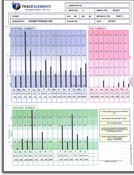
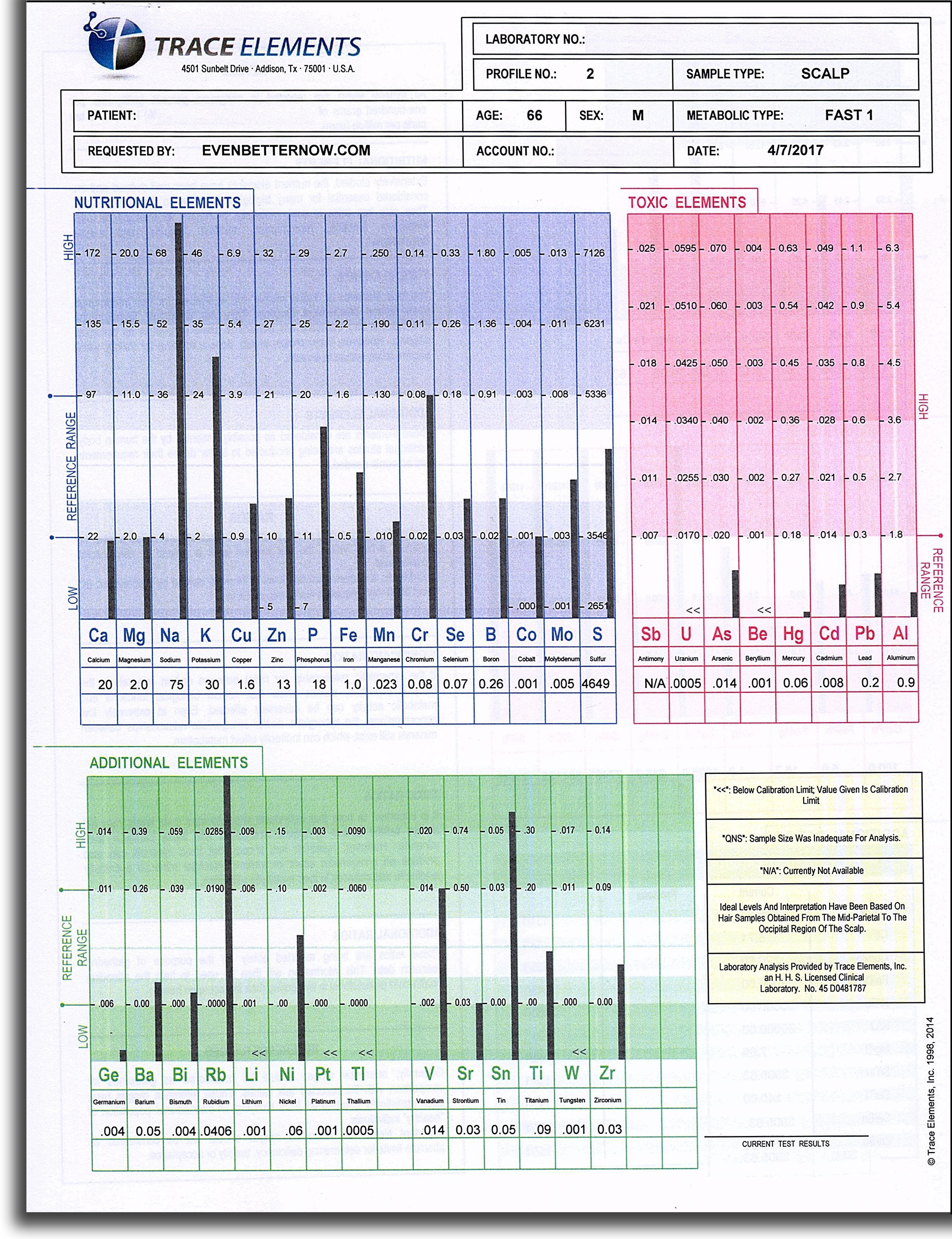
A hair analysis usually needs to be obtained through a health care professional (which can be expensive). However, we offer a service that allows you to get a comprehensive hair tissue mineral analysis from a federally licensed laboratory called Trace Elements, Inc. Each hair analysis contains a detailed 10-15 page report from the laboratory itself, which shows bar graph readings indicating high, low and reference range levels for toxic metals, essential minerals and significant mineral ratios. |
|
| It also includes a metabolic profile, recommendations for diet and supplements based on individual results. |
Unlike some labs that test hair tissue analysis, Trace Elements, Inc. does not wash the hair at the lab. Washing the hair removes some of the loosely bound minerals and can reduce some mineral readings by 50 percent or more. The hair sample is prepared in their licensed clinical laboratory by using a series of chemical and high temperature digestive procedures. Testing is then performed using highly sophisticated detection equipment and methods to achieve the most accurate and precise results.
The Comprehensive Hair Tissue Analysis report details graph results for 8 toxic heavy metals/elements, 15 nutritional minerals/elements, 15 additional elements, 7 significant mineral ratios, and 9 toxic metal ratios. Once you purchase the hair analysis from us, we send you a hair sample kit with instructions on how to take the hair sample.
|
To view a sample of the bar graph measurements for each mineral element and significant ratios, click here or the bar graph images above. Nutritional Elements: Extensively studied, the nutrient elements have been well defined and are considered essential for many biological functions in the human body. They play key roles in such metabolic processes such as muscular activity, endocrine function, reproduction, skeletal integrity, and overall development. Toxic Elements: The toxic elements or "heavy metals" are well-known for their interference upon normal biochemical function. They are commonly found in the environment and therefore are present to some degree, in all biological systems. However, these metals clearly pose a concern for toxicity when accumulation occurs to excess. Additional Elements: These elements are considered as possibly essential by the human body. Additional studies are being conducted to better define their requirements. Significant Ratios: If the synergistic relationship (or ratio) between certain minerals in the body is disturbed, studies show that normal biological functions and metabolic activity can be adversely affected. Even at extremely low concentrations, the synergistic and/or antagonistic relationships between minerals still exist, which can indirectly affect metabolism. Toxic Ratios: It is important to note that individuals with elevated toxic levels may not always exhibit clinical symptoms associated with those particular toxic minerals. However, research has shown that toxic minerals/metals can also produce an antagonistic effeect on various essential minerals, eventually leading to distrubances in their metabolic utilization. To view a sample of the detailed explanation of results patient report, please click here. For a complete overview of the various sections covered in the Comprehensive Hair Analysis Report, please click here. To view complete details of the elements measured and to order the Comprehensive Hair Mineral Analysis, please click here. For a list of FAQ’s about hair analysis, please click here. Once you purchase the hair analysis from us, we send you a hair sample kit with instructions on how to take the hair sample. You then send the hair sample to the Trace Elements lab, and the lab sends us the detailed report/results, which we then mail to you (there is an option for emailing the results as well to save time). |

 |
To purchase a comprehensive Hair Tissue Mineral Analysis (by Trace Elements, Inc.), please click here or call 520-877-2637. |
Want to ask a question about the comprehensive hair analysis? Email your questions by clicking here or call 520-877-2637. For information on natural methods for removing heavy metals from your body, please click here. |
View our articles on Symptoms of Autoimmune Disease and What is Autoimmune Disease?. To visit a website that lists the most common symptoms and causes of autoimmune diseases, please click here. |
Thank you for visiting our page on Causes of Autoimmune Disease!
|
 FEATURE ARTICLES